
Elizabeth Blackwell was a pioneering artist whose book A Curious Herbal became a landmark in botanical illustration and medical botany. But her story is about far more than beautiful drawings of plants.
Here’s five reasons why Elizabeth Blackwell is a force to be reckoned with and why she deserves her flowers.
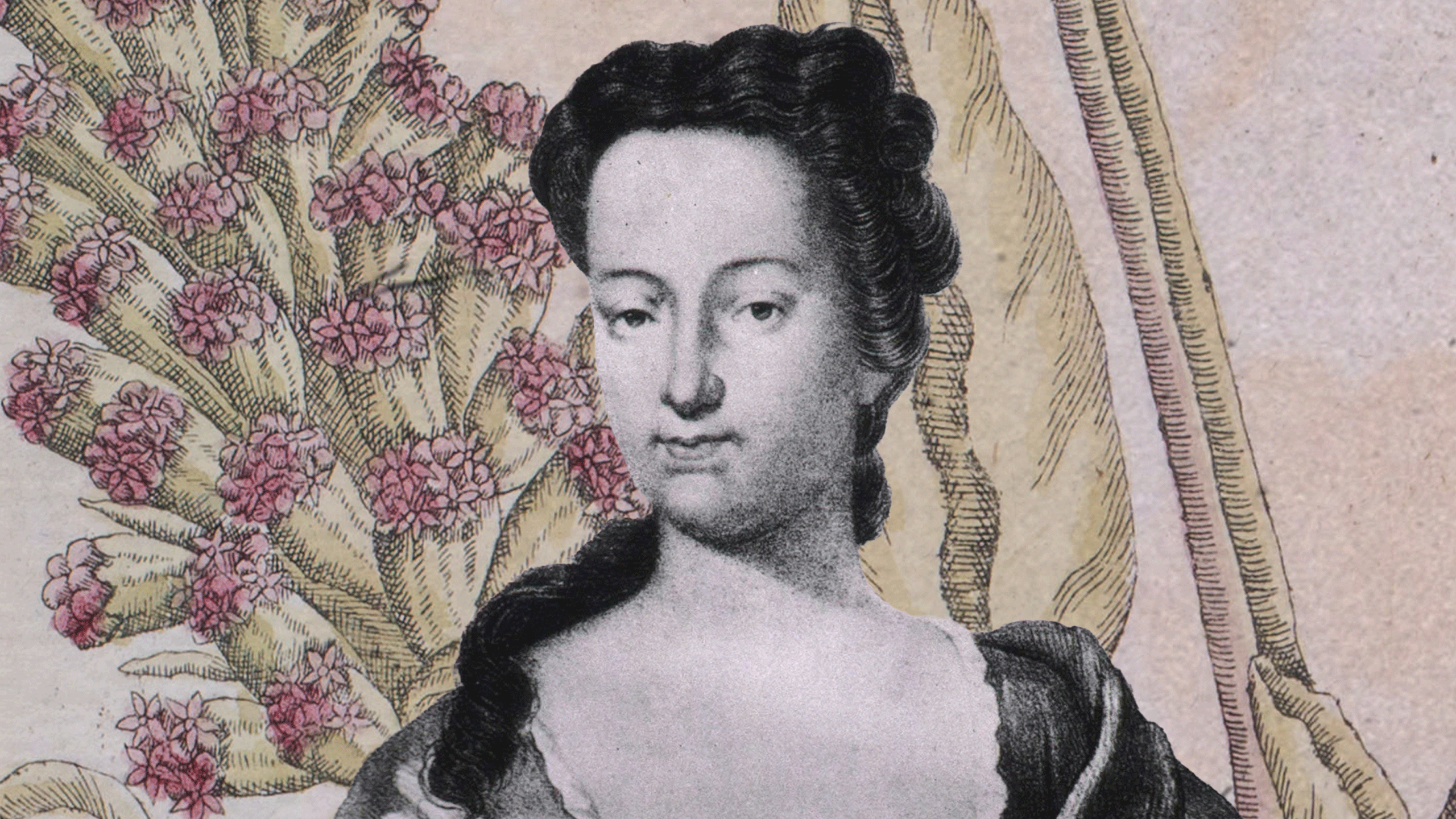

1. She turned adversity into opportunity
Elizabeth Blackwell was a mother facing financial hardship, with a husband in prison and a child to support. Rather than give up, she turned to her artistic talents to create a way to earn a living. Her determination transformed a difficult chapter of her life into an extraordinary creative achievement.
“Despite extreme weather, two pregnancies, the deaths of both infants, the hostility of the head gardener, the theft of her work by rival printers, and a deadbeat husband who sold all of her etched copper plates (even the unfinished ones) to settle his debts, she produced 500 etchings of plants and another 125 etched information pages.” – The Apothecary’s Wife by Karen Bloom Gervitz.
2. She broke new ground in botanical illustration
Although she was an amateur botanist, Elizabeth didn’t let her lack of formal expertise hold her back. She moved near Chelsea Physic Garden so she could study and draw plants from life, combining careful observation with artistic skill to produce A Curious Herbal.
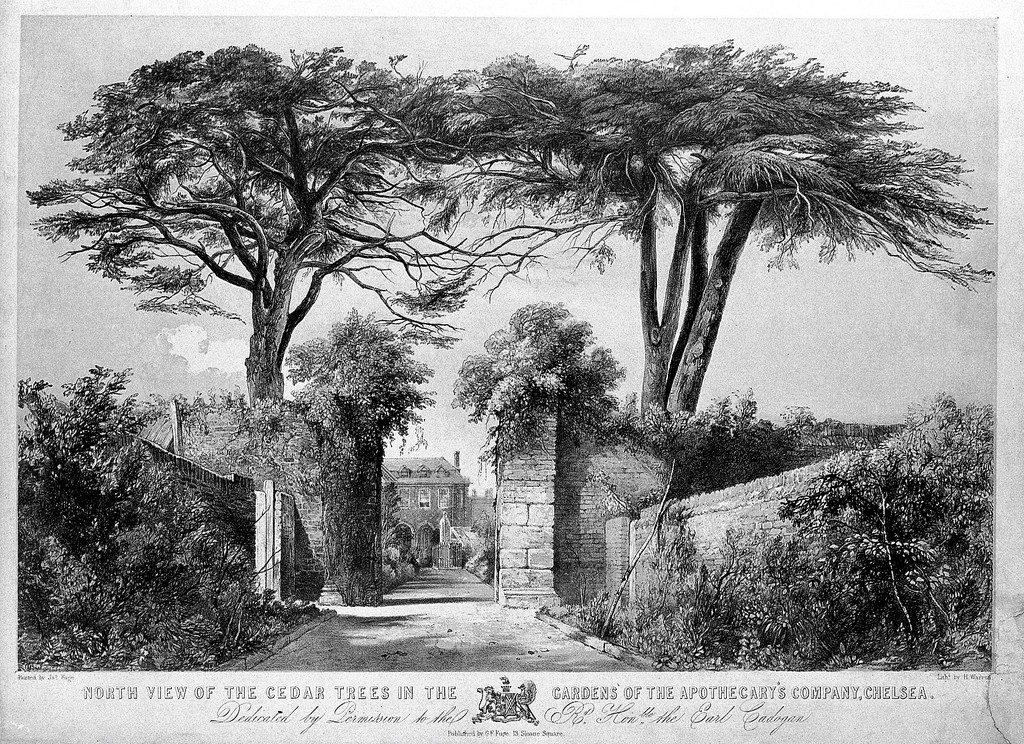 The Physic Garden, Chelsea. Image credit: Wellcome Collection
3. She did most of the work herself
Elizabeth carried out nearly every stage of the book’s production herself, from drawing and engraving the botanical illustrations to hand-colouring them. She also promoted the finished work through journals and word of mouth. At a time when these tasks were typically divided among numerous specialists, Elizabeth managed almost the entire creative process independently, with the assistance of a colourist for the hand-colouring of her illustrations.
4. She brought unfamiliar plants into the public eye
A Curious Herbal helped people to identify and learn about medicinal plants, including newer and more exotic species introduced to Britain through global exploration and trade. From tobacco and coffee to tomatoes and chilli peppers, her illustrations documented plants that were becoming increasingly familiar but were not always easy to grow or study in Britain.
She helped bridge the worlds of art, science and medicine – making botanical knowledge more accessible through beautiful, detailed illustrations.

5. She followed her artistic passion and continues to inspire
Having grown up with a painter father, Elizabeth developed a love of drawing from an early age. Despite the circumstances that hindered her artistic ambitions, she found a way to pursue her passions on her own terms.
Her legacy lives on as a reminder that creativity can flourish in unexpected circumstances, that expertise can grow through curiosity and determination and that women have always made significant contributions to art and science.
Find out more about Blackwell’s A Curious Herbal in our current exhibition, Where Magic Grows.